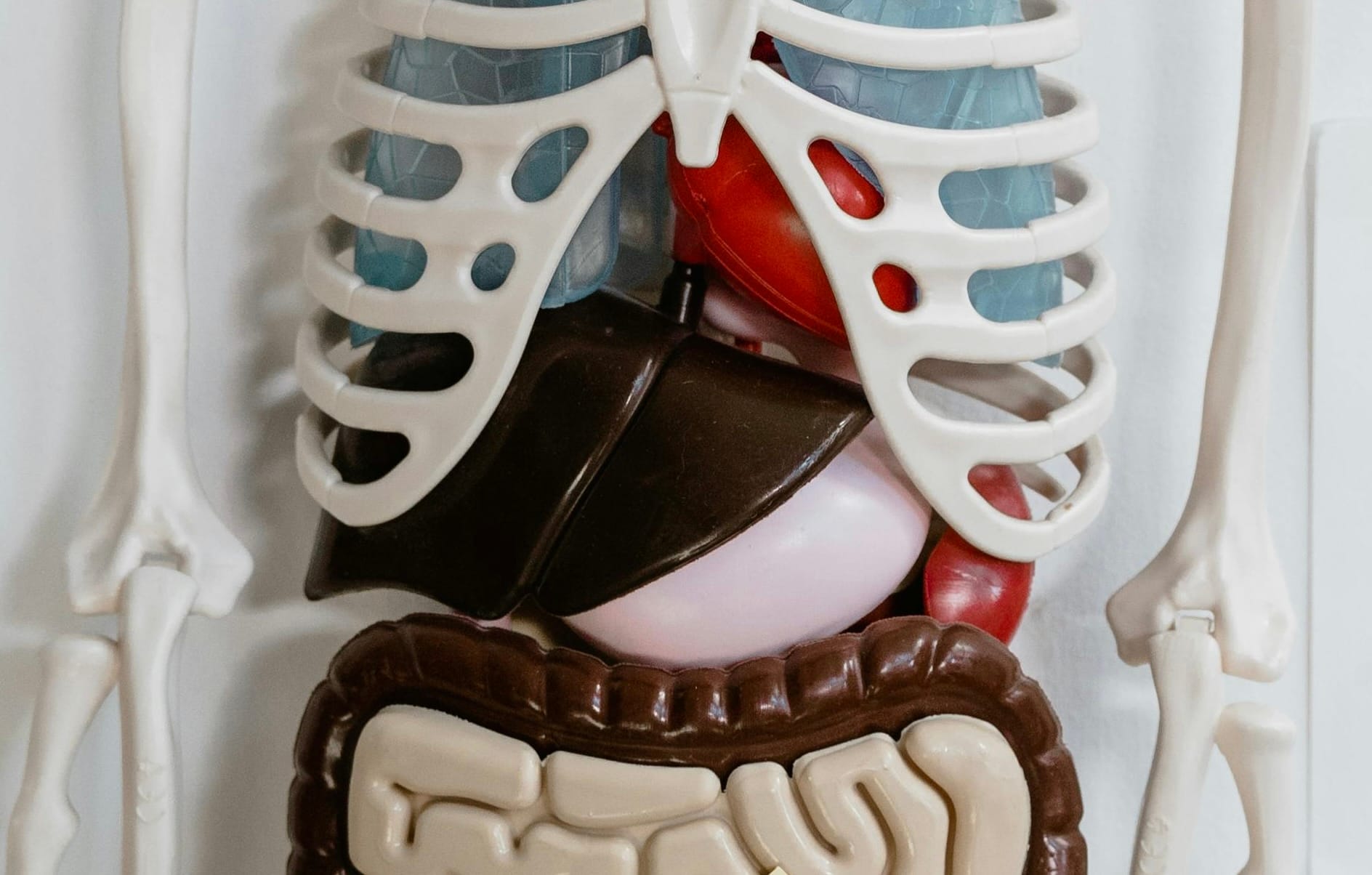
In Part 1 of 10 Steps to Fix a Fatty Liver, I introduced 10 Steps you can take to reduce your risk of this chronic disease and improve your overall health. The non-alcohol triggered form of fatty liver disease, called metabolic dysfunction-associated steatotic liver disease (MASLD) is a chronic condition that is becoming all too common and presently affects 25% of people in the world! It can lead to heart attack, stroke, diabetes, and cancer and is something we want to avoid as best we can to have a long and healthy life. This blog will go into more detail on each of these steps. The 10 Steps are:
- Eat Clean
- Eliminate Ultra-Processed Food
- Decrease Intake of Sugar and Starchy Carbohydrates
- Swap Unhealthy Fats for Healthy Fats
- Go Gluten Free
- Stop Eating at Least 3 Hours Before Bed
- Reduce Stress
- Exercise Daily
- Get Plenty of Sleep
- Reduce Exposure to Toxins


Step 1: Eat Clean
What exactly does this mean? Eat a whole food, plant-based, high fiber diet rich in fruits, vegetables, and legumes with sufficient protein and healthy fats. Eating a whole foods plant based diet is the best way to get all the stuff your body needs without the burden of the junk. Plant based does not have to mean vegan or even vegetarian, but it does mean enjoying an abundance of plant foods. Choose organic fruits and vegetables as much as you can to reduce the amount of pesticides you introduce to your body. If you do choose to eat meat and fish, make it a smaller part of your meals and make sure it is free of hormones, antibiotics, grass fed, free range, and cruelty free. Hormones, antibiotics, and even chemicals produced from the animal’s stressful lives don’t belong in your body; they put a burden on your liver to detoxify and eliminate them. A wide variety of plant foods strengthens and diversifies the gut microbiome which has an incredible effect on all systems of the body. Check out my post on the gut microbiome here for a deeper dive.
Step 2. Eliminate Ultra-Processed Food
Remove ultra-processed food from your diet and minimize consumption of processed food. By following Step 1, you will inherently follow Step 2. Ultra-processed food is “food” that has been manipulated to increase shelf life, alter appearance, modify texture, increase palatability, and often make it addictive. It typically includes food dyes, preservatives, stabilizers, added sugars, artificial sweeteners, emulsifiers, modified food starch, and more. It has often been chopped, mashed, remixed, molded into shapes, cooked at high temperatures, chemically extracted, hydrogenated, bleached, dyed, chemically treated, and irradiated. All of this processing has created products that negatively impact our health and do not support life and growth, thereby no longer meeting the definition of food:
Food: any nutritious substance that people or animals eat or drink or that plants absorb in order to maintain life and growth.”
This laboratory created fake food is a source of compounds that wreak havoc on the body adversely impacting the gut microbiome, causing blood sugar dysregulation, and promoting fat retention. It is also commonly devoid of fiber, the nutrient that allows the gut microbiome to thrive. Ultra-processed food promotes inflammation, metabolic disorders, and visceral fat. All of this, plus the added chemicals the body doesn’t recognize, taxes the liver and promotes fat deposits. Removing ultra-processed food from your diet will give your liver a break and help your body come back into balance.

Step 3. Decrease Intake of Sugar and Starchy Carbohydrates
As a general rule, we are addicted to sugar. Sugar abounds in our culture. Not only is it in sweets and desserts, but also in countless other foods that you wouldn’t expect. We have become accustomed to the sweet taste which has us coming back for more and more. When we eat sugar the body responds by producing insulin to help regulate glucose levels in the bloodstream and to help the cells access glucose for energy. However, when we continually eat sugar, the body’s insulin production can’t keep up and we can become insulin resistant which leads to diabetes or prediabetes. Even before that happens, excess sugar gets stored as visceral fat in and around organs which promotes inflammation and metabolic disorders. It is no surprise that sugar is cited as the primary driver of MASLD. Decreasing sugar in your diet is a bit tricky because there are more than 60 names for the substance. Plus, simple carbohydrates found in starchy foods like bread, pasta, and rice are quickly converted to sugar in the body and basically have the same effect. Become familiar with sugar’s aliases and read labels. Check out my post on sugar here for more details. Avoid items with added sugar and minimize consumption of simple carbohydrates. Also, do not replace sugar with artificial sweeteners – they come with a host of health issues including doing a number on the gut microbiome and increasing weight gain. You can find out more about the health impacts of artificial sweeteners here.
Step 4. Swap Unhealthy Fats for Healthy Fats
Unhealthy fats such as hydrogenated vegetable oil, saturated fat from animal products, and bottled seed and vegetable oils pose a burden for the body. These oils and fats are a significant source of calories without much nutrition. Consumption of saturated fat from animal products is associated with increases in “bad” cholesterol which can put a strain on the heart. Hydrogenated and partially hydrogenated oils are a source of trans-fats and are associated with multiple health risks. Seed oils are fine when you are getting them from eating seeds, but should be avoided or minimized in the liquid oil form. Instead, replace these oils with healthier options that include polyphenols and other health-promoting compounds. Healthier options include cold pressed extra virgin olive oil, coconut oil, avocado oil, flax seed oil, and a few others. Most people do not get enough omega-3 fatty acids which are critical for numerous processes in the body including the brain, heart, and immune system. Plus, omega-3’s can help prevent and manage fatty liver. Omega-3 sources include SMASH fish (salmon, mackerel, anchovies, sardines, and herring), chia seeds, flax seeds, and walnuts. For more info on dietary fats, check out my post on fats here.
Step 5. Go Gluten Free
Gluten is believed to be a gut irritant for most if not all people. Some seem to tolerate it better than others. Gluten can lead to leaky gut syndrome (intestinal hyperpermeability) which can cause a barrage of issues for the body that go well beyond digestive distress. Leaky gut can allow bacteria and toxins to enter the bloodstream. The liver is tasked with removing these from the bloodstream and packaging them for disposal. A small percentage of people have celiac disease, an autoimmune condition in which gluten damages the small intestine, and need to be very strict with gluten avoidance. However, many other people have a sensitivity to gluten that ranges widely in symptoms and may go under the radar. Gluten is found in wheat, barley, rye, and anything made from flours of these grains including breads, pasta, cereals, pastries, cakes, etc. Oats do not contain gluten but may be cross-contaminated so only use oats labeled gluten-free when avoiding gluten. Eliminate all gluten containing food for an extended period of time and see how you feel. All of the recipes on this blog are gluten free so check them out for some inspiration.

Step 6. Stop Eating at Least 3 Hours Before Bed
Our digestive systems were not made to digest food 24/7. The intestines need a little R&R. The system needs time to process all that we have taken in, run a cleanup program, and repair any damage that has occurred. We naturally have an eating hiatus when we sleep. Extending this a bit will help the gut perform at its best. Studies have found that not eating 3 hours before sleep improves cardiovascular health and blood sugar control. Better blood sugar control is important for preventing and managing MASLD. In addition, a form of intermittent fasting known as time-restricted feeding has been shown to help manage MASLD by helping the body burn fat and improve metabolic function. With time-restricted feeding the 24-hour day is divided into an eating or feeding window and a fasting window. Typical schedules are 8 to 10 hour feeding windows followed by 16 to 14 hours of fasting. You may want to try this, but at least start with the 3 hours before bed.
Step 7. Reduce Stress
In recent years, the impact of stress on our health has come to the forefront. We cannot separate the mind and body; they are interconnected and what influences one will directly or indirectly influence the other. Humans were designed to respond to acute stress with the fight or flight mechanism, but once the stimulus was gone, the body would return to balance. However, chronic stress provides continual stimulation without reprieve and is a significant trigger for inflammation. It also affects the gut by altering the gut microbiome and contributing to leaky gut syndrome. On top of that, stress promotes the release of the hormone, cortisol. Cortisol is tied to accumulation of visceral fat and metabolic issues. Because of all of these pathways, stress is another trigger for MASLD. To mitigate or prevent fatty liver, it is important to find ways to alleviate chronic stress. This is where mindfulness techniques, breathwork, yoga, walking, and other techniques come in handy. If you are new to these, start with something that is accessible for you. Breathwork is something anyone can do and requires no equipment. There are many online guides available to coach you through this process. Another easy one is walking. And, as a bonus, if you walk after a meal, it will enhance your blood sugar regulation.


Step 8. Exercise Daily
Daily exercise or movement has profound effects on multiple systems of the body including the brain, heart, bones, digestion, and circulation. It also improves the body’s insulin sensitivity meaning better blood sugar control. Insulin resistance has been shown to contribute to MASLD so improving insulin sensitivity can help manage and prevent the disease. Exercise increases muscle mass and because muscles burn energy, increasing muscle improves metabolism. It also stimulates the breakdown of fat in the liver. Find an exercise that you enjoy – the best one is the one you will do, but the following are a few guidelines. Resistance training done with bodyweight, weights, or resistance bands will help to build muscles which has a host of positive repercussions. High intensity interval training (HIIT) is excellent for reducing visceral fat. Try doing Tabatas or sprint training as HIIT workouts. Aerobic exercise is also great to improve cardiovascular health and overall health. Running, biking, rucking, brisk walking, and even dancing can be aerobic exercise. Just move your body!

Step 9. Get Plenty of Sleep
Sleep is now recognized as an important factor in our health. Gone are the days of “I’ll sleep when I’m dead.” If you don’t sleep, you’ll be dead faster! When we sleep, our bodies reset. We know that both the gut and brain run cleanup and repair programs to remove wastes and detritus and fix damaged cells and systems. Other cells and systems in the body are also cleaned up and renewed during sleep. Regular, quality sleep has myriad regenerative effects on the body and allows it to function better. It promotes insulin sensitivity, improves metabolism, improves stress response, decreases inflammation, promotes weight loss, and regulates cortisol, all of which positively impact our livers. The amount of sleep we need is individual dependent, but consistency is important. Try to go to sleep and wake at the same time each day. Getting sunlight first thing in the morning will help trigger melatonin in the evening which will promote sleep.
Step 10. Reduce Exposure to Toxins
We are exposed to countless toxins in our world today. Some of these are not easy to control, but others are. Focus on the ones you can control and get them out of your life. Remember that toxins get into the body via breathing and skin contact in addition to ingestion. You can minimize your exposure to toxins in foods, cosmetics, and household products by the choices you make. Choose organic food as much as you can. Eliminating ultra-processed food (Step 2) will vastly reduce the toxins from food, but also consider food packaging and cookware. Toss nonstick coated pans and any cookware containing PFAS, those forever chemicals with toxic effects. Check out the labels of your skin care and cosmetic products and choose those with natural and organic ingredients. A good rule of thumb is to not put anything on your skin that you would not eat. Refer to the EWG Skin Deep database for guidance. Stay away from artificial ingredients and harsh chemicals in household cleaners and detergents. Make your own cleaning products from ingredients like white vinegar and baking soda. Opt for natural laundry soap and use dryer balls instead of static guard sheets. Skip the toxin-laden chemical air fresheners and try essential oil diffusers or all natural candles. There are countless options out there for a toxin-free home. Also, opt for natural fabrics as often as possible and wash clothing before wearing to remove formaldehyde and other chemicals.
In a nutshell…
Fatty liver is on the rise and is clearly associated with our diet and lifestyle choices. Fortunately, because diet and lifestyle choices got us into this predicament, there are several diet and lifestyle choices we can take to prevent, manage, and even reverse the condition. Some of these are simple and others will take a bit of work and commitment, but they are within your control. Wouldn’t it be great if a doctor prescribed sleeping more as medicine? Although that sounds comical, it might actually be a great first step. Consider the 10 Steps I have outlined in this post and figure out which ones you can incorporate into your life today. Start those immediately. Once you have those mastered, pick another and incorporate that into your life. Continue this until you have woven all of these into your daily routine. And remember, you do not have to strive for perfection, just do the best you can. If you stray from some of the principles, simply try again the next day. This is a marathon, not a sprint, although as mentioned in Step 8, a little sprinting may be an excellent idea!
I hope you found this informative and inspirational. I’d love to hear from you. And thanks for taking the time to read this. Here’s to Happy Livers!