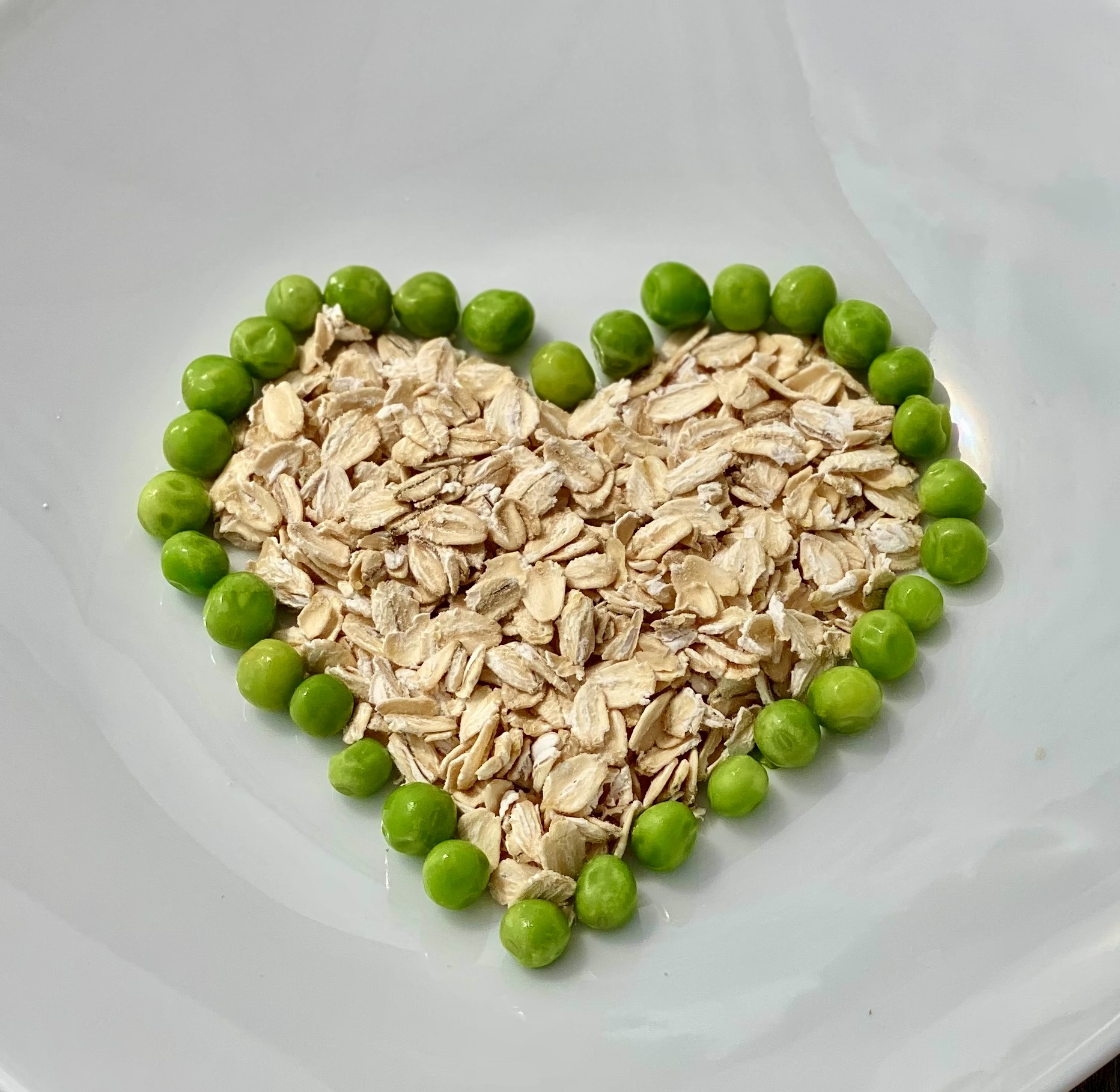
“Let food by thy medicine and medicine by thy food.” – Hippocrates
Food truly is medicine

While good food is medicine for our bodies, the converse is also true – bad food can be detrimental to our health. In addition to food, our lifestyles and perception of stress can have a massive impact on our health. Fortunately, what you eat and how you live are all things within your control. This means if you get them right, you can positively impact your health. I’ve written about how much influence we have on our health in my prior blog posts on 10 Steps to Take Control of Your Health, but today’s post focuses specifically on fatty liver and metabolic health.
Disease is a sign that the body is out of balance. The symptoms that arise are cries for help that get our attention. Chronic disease is a progression – you don’t just wake up one day and suddenly become a diabetic. It is a gradual process that happens over time. This process culminates with enough symptoms to be classified as a particular disease. Type 2 diabetes, for instance, is diagnosed when (among other parameters) your blood sugar is greater than 6.5% in an HbA1C test, but before your blood sugar reaches 6.5, it was at 6.3, and 6.0, and so on. Your blood sugar doesn’t just jump from normal to diabetic levels. Likewise, symptoms of chronic illness appear gradually. If you pay attention and are attuned to your body, you will notice symptoms well before a diagnosable condition. These symptoms are associated with precursors to the full blown disease. If you notice these “precursor symptoms”, you can take steps to reestablish balance in your body and avoid the full expression of the disease.
Toxins Toxins Everywhere
Unfortunately, much of the food available in our grocery stores is filled with substances that stress the body and contribute to the progression of disease. The chemicals used to make food shelf stable, add bright colors to food, and change the texture of food put a burden on our bodies. The term toxin is broadly applied to these compounds that your body does not need but must manage and get rid of. Although these compounds may not kill you right away, they create a stream of toxins that the body has to deal with somehow which puts a strain on the digestion, elimination, and immune systems. Removing these toxins from your diet will help your body to come back into balance.


It’s also important to avoid environmental toxins you may come in contact with. Most Americans are exposed to large amounts of toxins through our commonly used products. Think household cleaners, cosmetics, chemically treated clothing, rugs, linens, and furniture, air fresheners, sunscreens, petroleum fumes, and a myriad of other sources. We don’t think about these being bad for us because we are not eating them. Although we may not be ingesting these compounds, they can enter the body through skin contact (dermal exposure) and through breathing (inhalation exposure). Both of these exposure routes allow compounds to get into the bloodstream. Eliminating as many of these toxins as possible from your diet and life will make it easier for your body to function optimally. Check out the Environmental Working Group’s Skin Deep data base to find cosmetics and skin care products with low toxicity.
So What About This Fat Liver?

The liver is a pretty amazing organ that is critical to multiple processes. The body eliminates toxins through breathing, sweating, urination, and defecation. Organs important in these elimination pathways include the lungs, skin, intestines, kidneys, and, last but not least, the liver. The liver plays a large role in this detoxification game – it has the job of pulling toxins out of the bloodstream and packaging them up for elimination. If the body doesn’t have all it needs to complete the detox process, the liver stores the toxins in fat deposits. Another of the liver’s jobs is to convert excess sugar into fat. When we eat sugary or starchy foods, the liver converts what we don’t need for fuel into fat and stores it… you guessed it, in the liver. If the stream of excess sugar continues, the fat builds up leading to a condition called fatty liver disease. Fatty liver disease was formerly a disease of alcoholics, but now it is seen in people who have minimal alcohol consumption and, sadly, even in children. In fact, it is estimated to affect 25% of the global population! This version of fatty liver disease is called metabolic dysfunction-associated steatotic liver disease (MASLD). However, it was previously called nonalcoholic fatty liver disease (NAFLD) so you will still see this acronym. MASLD is directly associated with food we are eating, especially ultra processed food and high sugar content foods. Excess added sugar in the diet is believed to be a driver of the disease. High sugar content food includes not just sugary sweets like cake, candy, and cookies, but also high carbohydrate foods like bagels, breads, and pasta that are easily converted into sugar by the body.
Calories in/calories out – not so simple

Previously, it was thought that weight management was primarily an energy balance game – calories in had to match calories out to maintain weight and a calorie was a calorie no matter where it came from. This idea has been debunked. That’s not to say that overeating does not affect weight gain; we need to eat the right amount of food for our bodies. But to be sure, not all calories are the same. The makeup of the calories is important. Calories coming from ultra processed foods that are filled with health detracting sugar, stabilizers, and emulsifiers are quite different from calories coming from whole foods that are filled with health promoting polyphenols and omega-3 fatty acids. The body is a remarkable complex system that is able to take in food and not only convert it to useable energy, but also extract vital nutrients and compounds that allow it to create new cells and perform cellular actions to sustain life. Thus, the compounds present in the food we ingest are critical to health and vitality. What we eat matters and can promote health or promote disease.
Treatment Tools
In the treatment of chronic disease, it’s important to focus on the root cause of the issues and not just treat the symptoms. Remember, symptoms are just signs that our body needs some help. Addressing the symptoms may temporarily alleviate pain or discomfort, but it will not fix the problem. Most, and maybe all, chronic illnesses are diet and lifestyle related and intrinsically tied to the gut. (Check out my post on gut health for more insight into this topic.) This is good news, because we can fix our diet and lifestyle. So what do we do about this fatty liver issue? Following are 10 steps you can take to address the underlying causes of MASLD and metabolic issues.
- Eat clean. Eat a whole food, plant-based, high fiber diet rich in fruits, vegetables, and legumes with sufficient protein and healthy fats.
- Eliminate ultra processed food. Remove ultra processed food from your diet and minimize consumption of processed food.
- Decrease intake of sugar and starchy carbohydrates. Do not replace sugar with artificial sweeteners.
- Swap unhealthy fats for healthy fats. Increase consumption of omega 3 fatty acids
- Go gluten free. Eliminate all gluten containing food for an extended period of time.
- Stop eating at least 3 hours before bed. Give your gut a break from digesting.
- Reduce stress. Practice mindfulness, breathwork, yoga, and more.
- Exercise daily. Increase muscle mass and incorporate bursts of high intensity exercise into your routine.
- Get plenty of sleep.
- Reduce exposures to toxins. Eliminate toxins in foods, cosmetics, and household products.
These steps are a great start to managing, reversing, and preventing that fat build up in your liver. I will expand upon each of these and discuss them in more detail in subsequent blogs.
It may be overwhelming to try to incorporate all of these into your life at once, so pick one or two to focus on for a few weeks until they become ingrained in your life. Then add one or two more and focus on those for a few weeks. Repeat until you have woven them all into your life. I would recommend starting with the first one. Just following this will likely address steps 2, 3, and possibly 4. Your body will thank you.
In a nutshell…
The liver is a rockstar organ that has multiple roles in keeping our bodies functioning. Our modern diet and lifestyle, especially the Standard American Diet (SAD) has wreaked havoc on this organ and resulted in a massive increase in a fatty liver disease called MASLD. It is time to give our livers a little TLC. We can do that through the 10 steps outlined above. Diet plays a significant role in this condition; added sugar has been identified as a driver for this disease. Reducing added sugar and excess starchy carbohydrates in our diets will help our livers come back into balance and allow them to do all their jobs better. Here’s to Happy Livers!
I hope you found this article interesting and helpful. I’d love to hear from you with comments or questions. As always, thanks for reading.
2 responses to “10 Steps to Fix a Fatty Liver – the nonalcoholic kind”
I always learn something from your posts. Thank you so much!
thanks for reading Kasha. I’m glad it was informative.