In recent years, there has been a lot of hubbub about gut health and especially the gut microbiome, but what exactly is the gut microbiome and why do we care?
It turns out that Hippocrates, that ancient Greek who is known as the “Father of Medicine”, appears to have been right on the money when he stated that all disease begins in the gut. The gut may very well be at the center of our health.
For starters let’s define the gut. The gut is the colloquial word for the gastrointestinal tract and more specifically, the small and large intestines; that long tubular channel that winds back and forth in our lower abdomen and may be as long ast 30 feet in adults. When we eat, after food enters our stomach, it begins its journey through the small then large intestines. During this journey, the food gets further broken down and nutrients are extracted and passed through to the bloodstream. Any remaining bits that we do not need continue on to the bowel for elimination.

What is a gut microbiome?
It turns out to carry out this role, the gut relies on a host of microbes that have set up shop in our intestines. These microbes and the environment they live in is called the gut microbiome. And we are not talking about just a few dozen microbes. No, the human gut microbiome may contain as many as 100 trillion microbes! Just to give you an idea of the magnitude of this, the human body contains approximately 37 trillion human cells. That means there are nearly 3 times as many microbes in our guts as our own cells in our whole bodies!
Plus this microbial community may contain as many as 5000 different species, most of which are bacteria. These microbes are very busy working for us all of the time. Their role goes well beyond breaking down food, extracting nutrients, and passing those nutrients through to the bloodstream. The gut microbiome maintains the gut lining, synthesizes certain vitamins, protects against disease, communicates with the brain, and helps to regulate the immune system among other tasks. It is responsible for creating chemicals called short chain fatty acids (SCFAs) that are super helpful compounds with a wide range of functions in the body including influencing the immune system and the brain.
Did you know that each of us has a unique gut microbiome that is in a constant state of flux adapting to our diets, lifestyles, and even who we hang out with. Although the basic role of the microbiome is to perform all those health promoting functions listed above, not all of the microbes are on board with this mission. There are pathogenic species of microbes ( “bad bugs”) that live alongside the beneficial species (“good bugs”) even in healthy humans. Healthy gut microbiomes will have robust colonies of beneficial bacteria whose sheer numbers keep the pathogenic species in check. In unhealthy gut microbiomes, the reverse is true with the scales tipping in favor of the pathogenic species. When the populations of the good bugs are diminished, the bad bugs mutiny and their populations multiply. This condition, called gut dysbiosis, is associated with inflammation and disease and is quite likely at the root of many if not all chronic illnesses.
What causes gut dysbiosis?
Although gut dysbiosis can be triggered by many things, it is likely caused by a combination of factors. Diet is a significant factor with diets high in sugar feeding the bad bugs, but other substances we ingest and lifestyle choices also influence gut microbiome health. Anything that kills off bacteria or changes the environment of the gut can upset the balance of microbes. This includes but is not limited to:
- antibiotics
- pesticides
- NSAIDs
- acetaminophen
- antacids
- artificial sweeteners
- stress
- smoking
- alcohol use
- high sugar diets
- ultra-processed foods
- gluten
To promote health and prevent or avoid chronic disease, we need to avoid or correct gut dysbiosis. Our gut microbes need our help to do their jobs well and to ensure there are more good guys than bad guys.
So how can we help?
We will get into the diet specifics below, but eating a plant based whole foods diet is a great start that will keep the beneficial microbes happy and healthy and mitigate dysbiosis. Next, we can try to avoid all the items on the above list. Individually or with very limited use, some of these factors might not drastically impact the microbes, but others are quite detrimental with long lasting effects.
We live in a culture with “a pill for every ill” mentality; we tend to take drugs for almost any ailment believing that there are minor or no side effects. However, these medications can have an unseen but significant impact on the gut microbiome. Pain relievers have been shown to disrupt the balance of good and bad microbes, shifting the balance to favor the pathogenic species. Antacids are popped like candy and even come packaged like rolls of candy! Long-term antacid use decreases populations of beneficial gut microbes allowing chronic disease causing microbes to flourish. Antibiotics are incredible tools that are very effective at wiping out infection-causing bacteria, but they also wipe out the beneficial species making them especially detrimental to the gut microbiome. It can take a year to re-establish beneficial species after a single course of antibiotics. By all means, take antibiotics if necessary and if prescribed by a medical professional, but be prudent about their use and work to replenish your gut microbiome after.
Diets high in sugar and ultra-processed foods actually feed the pathogenic species in the gut causing them to flourish and create disease states. Bad bugs love sugar. Many of the compounds in ultra processed food that make the food hyperpalatable or improve shelf life are detrimental for our good bugs. Gluten can also feed bad bugs plus it can cause fissures to form in the gut lining promoting a condition called intestinal hyperpermeability or Leaky Gut Syndrome. Leaky gut is associated with many chronic conditions such as eczema, irritable bowel syndrome, Crohn’s disease, colitis, obesity, and metabolic syndrome.
Pesticides also present a problem for our gut microbes. These chemicals are designed to kill living creatures and they continue to do this in the gut where they disrupt the balance of the microbial population. Glyphosate, a commonly used pesticide, has been found to be particularly detrimental to the gut microbiome. Because many GMO crops are engineered to resist glyphosate, this chemical is generously applied to GMO plants and even used just before harvest as a drying agent. This results in high levels of glyphosate in foods made from GMO crops which does a number on our gut microbes. Support your gut microbiome by choosing organic foods and avoiding GMOs. Check out the Environmental Working Group’s Dirty Dozen for produce with the highest pesticide residuals and avoid these if you can.
Here’s to Gut Health
We’ve discussed many things to avoid, but there are also actions we can take to promote a healthy gut microbiome including:
- Increase fiber consumption
- Eat fermented foods
- Eat 30 different plant foods each week
- Allow for gut down time
- Reduce stress
Beneficial bacteria in our guts love to feed on fiber and a fiber-like substance called resistant starch. Humans cannot digest fiber, but the gut microbes can and when they do they create health promoting SCFAs. Fiber acts as a prebiotic for the microbes, feeding them and promoting growth. Resistant starch, found in cooked and cooled starchy foods like potatoes, rice, and other grains, is particularly beneficial for our microbes. Most Americans eat far less fiber than recommended, so the first thing we can do is up the amount of fiber in our diets. Increasing the amount of fruits, vegetables, beans, and legumes we eat will go a long way to feeding our microbes. For more information about fiber, resistant starches, and the most fiber-rich foods, check out my post on Fiber – the Gut’s BFF.
Another way we can help our gut bugs is to eat fermented foods. Not only do fermented foods provide beneficial microbes to the gut (probiotics), but they also provide food for the gut microbes (prebiotics). And to top it off, the fermentation process also makes nutrients more readily available. These powerhouse foods increase the diversity of the gut microbiome and have been shown to decrease inflammation, which plays a key role in chronic illness. Diverse gut microbiomes are associated with better health and lower incidence of chronic disease. Studies suggest eating small amounts of three different fermented foods each day significantly improves gut health. Reach for the following ferments to boost your gut health.
- kombucha
- kimchi
- yogurt
- tempeh
- miso
- kefir
- sauerkraut
- sourdough bread
- fermented vegetables
Just be sure the yogurt contains live cultures and is free of added sugars and anything artificial. Yogurts marketed to children with all sorts of junk added in are notoriously unhealthy foods.
30 Plant Foods Weekly

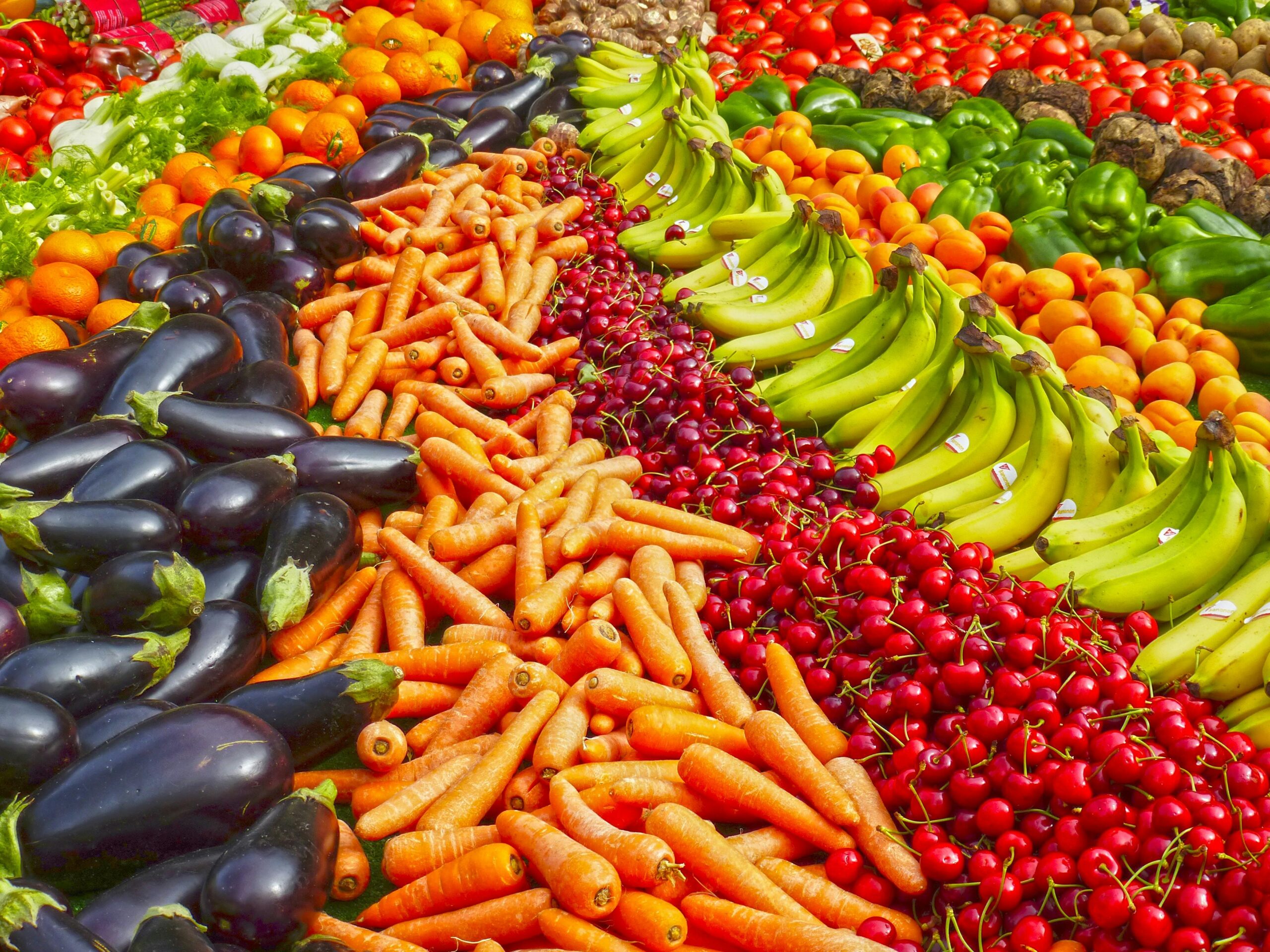
When it comes to the gut microbiome, diversity is key with healthy people having diverse species of microbes inhabiting their intestines. Eating 30 different plant foods each week has been shown to increase the diversity of our gut microbiomes. Different gut bacteria like to eat different plant compounds so providing a wide range of plant foods strengthens a wide variety of beneficial bacterial colonies creating diversity. Thirty isn’t a magic number, but it makes a great guideline. Start keeping track of how many different plant foods you eat in a week, not only fruits, veggies, grains, and legumes, but also herbs, spices, coffee, and tea. Change up the produce you buy each week and try some that you haven’t had before. Try purple carrots instead of orange or maybe Granny Smith apples instead of Delicious. Be adventurous and try out more unusual produce like plantains, yuca root, and starfruit. Children will have fun with this one!
Give them a break!
Our gut microbes and our whole digestive system needs a little time to rest and digest. We can give this to them when we take a break from eating. Stop eating three hours before bedtime to give your body a chance to incorporate all that you’ve eaten that day and to clear out the gut making way for tomorrow’s nutrition. We can also give our gut microbes a break when we destress. Chronic stress not only taxes our minds and bodies, but also our gut microbiomes. It decreases both the diversity of gut microbes and the good bug populations resulting in gut dysbiosis and inflammation. Practicing mindfulness, meditation, and yoga, walking in nature, and even breathing techniques can help keep chronic stress at bay.
In a Nutshell…
We have this incredible little world of microbes living inside of us called the gut microbiome that we rely on for good health. Without the beneficial microbes in our guts, we would not be able to extract nutrients from our food, power our bodies, fight off illness, and so much more. And these microbes rely on us to provide them all they need to flourish. We need to do whatever we can to take care of these microbes so they will continue to work for us. Feed them well by eating a diverse plant based whole food diet. Shoot for eating 30 different plant foods each week. Try to incorporate healthy fermented foods into your diet each day. Increase the amount of fiber you consume – just eating more fruits, vegetables, legumes, beans, and whole grains will increase your fiber intake. Give your microbes a little time off by taking a break from eating and incorporate mindfulness practices into your life to decrease chronic stress. Minimize or avoid taking a “pill for every ill”. Avoid GMOs, pesticides, and ultra processed foods as best you can. If doing all of this feels like too much at once, take it slowly, making one change a week or a month. And don’t worry about slip-ups, just begin again. Make a commitment to create a healthy gut microbiome an you will create a healthy human.
Thanks for reading my gut discourse. Please reach out if you have questions or comments. I’d love to hear about how you promote gut health or even fermented foods you enjoy.

Leave a Reply to Wesley B Owen Cancel reply